
A lovebird might be one of the smaller parrot species available as a companion pet, but this bird is inquisitive and seemingly always on the go. As their name suggests, lovebirds are known for the loving, attentive bond they tend to form with their mates.
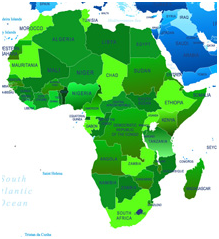
Most lovebird species are native to the continent of Africa; the exception is the Madagascar (grey-headed) lovebird, which is native to the island of Madagascar.
Of the nine species of lovebirds, six are listed as Least Concern by the International Union for Conservation of Nature and Natural Resources. However, three of the species have some endangerment concerns. The Fischer’s lovebird and Nyasa lovebird are both Near-Threatened, which is one step closer to Endangered than the six species. The black-cheeked lovebird is the most endangered in the wild of all the lovebirds. It is listed as Vulnerable, which is only one step away from Endangered.
Care & Feeding
Like most birds, lovebirds love to exercise and require the largest cage that your budget and space can afford. Lovebirds that are cooped up in a small cage and never given any freedom tend to become neurotic and can develop self-mutilating habits. Toys are a must for these active parrots. Keep in mind that lovebirds are strong chewers, so choose toys that can stand up to chewing without causing a hazard. With proper care and a well-balanced diet, a lovebird can live between 12 and 15 or more years.
Native Region / Natural Habitat